Everest Base Camp Trek: Day-by-Day Route Guide
A 12-day Everest Base Camp itinerary with altitudes, walking hours, acclimatisation days, permit costs and what each stage actually feels like.
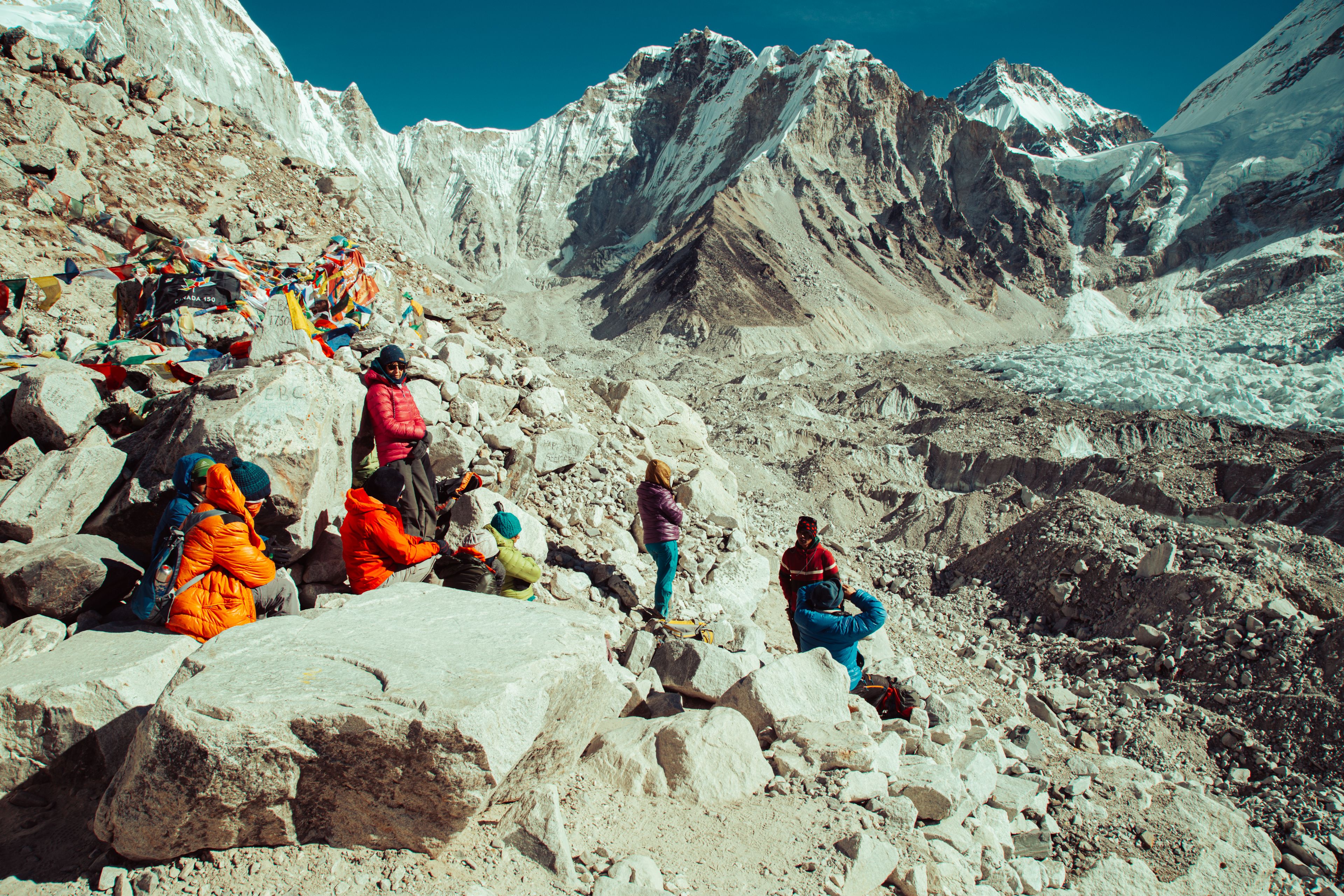
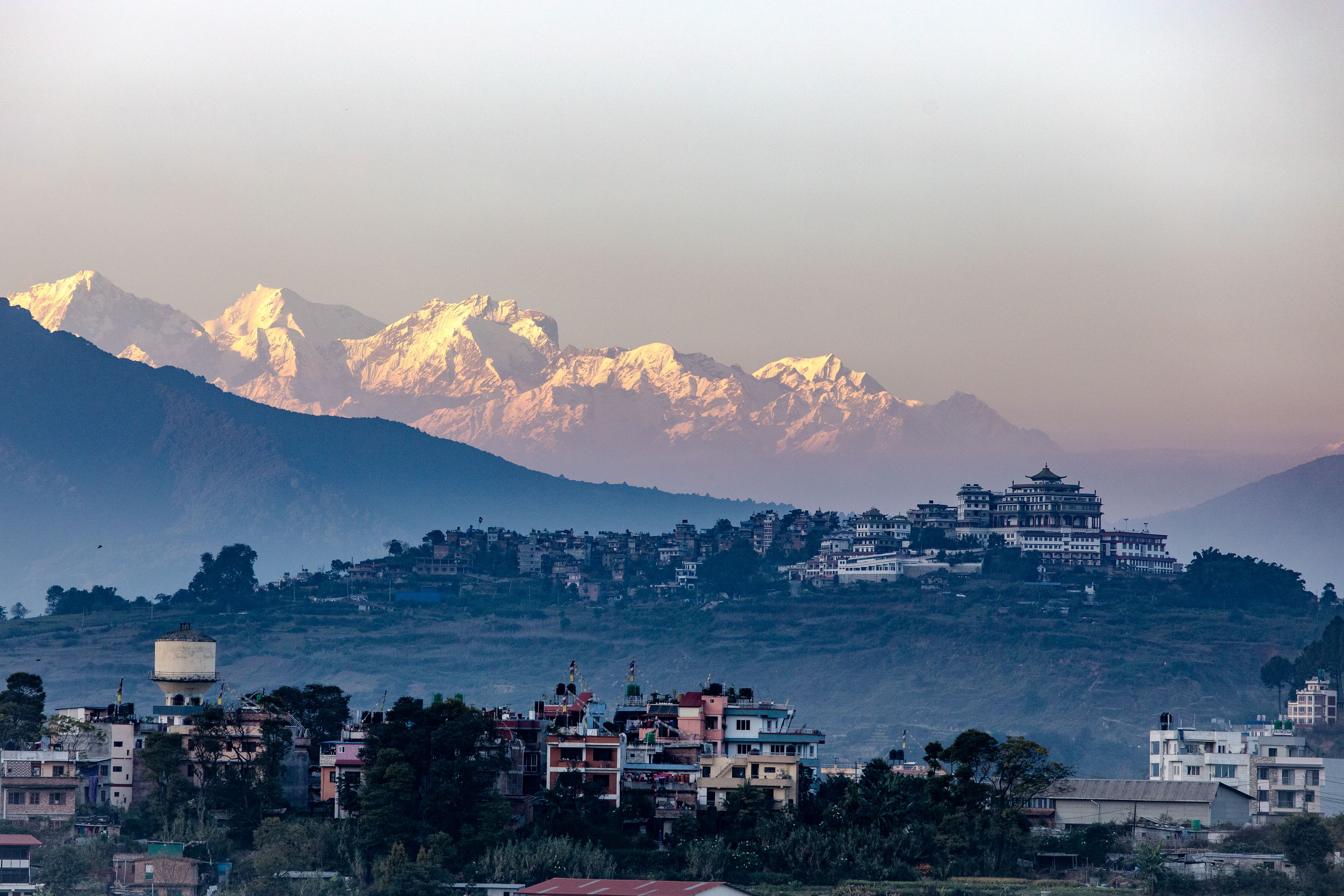
Photo by Pritam Chhetri on Pexels
Everest Base Camp is a 12-day round trip from Lukla covering about 130 km with two acclimatisation days, topping out at 5,545 m on Kala Patthar. Most people walk 5–7 hours a day. The permits cost NPR 5,000 and the trek is walked in October–November or March–April.
The Khumbu is the most-walked trekking route in Nepal and the most misdescribed. Agency itineraries compress it to ten days, blogs stretch it to sixteen, and neither tells you which days hurt. This is the version that matches what people actually walk, with the altitude gain that governs whether you finish.
If you are still costing the trip, the trek budget calculator prices this exact itinerary.
The route at a glance#
| Day | Stage | Sleep altitude | Walking |
|---|---|---|---|
| 1 | Fly Lukla, walk to Phakding | 2,610 m | 3 h |
| 2 | Phakding to Namche Bazaar | 3,440 m | 6 h |
| 3 | Namche — acclimatisation | 3,440 m | 3 h |
| 4 | Namche to Tengboche | 3,860 m | 5 h |
| 5 | Tengboche to Dingboche | 4,410 m | 5 h |
| 6 | Dingboche — acclimatisation | 4,410 m | 4 h |
| 7 | Dingboche to Lobuche | 4,940 m | 5 h |
| 8 | Lobuche to Gorak Shep, Base Camp | 5,164 m | 8 h |
| 9 | Kala Patthar, descend to Pheriche | 4,240 m | 8 h |
| 10 | Pheriche to Namche | 3,440 m | 7 h |
| 11 | Namche to Lukla | 2,840 m | 7 h |
| 12 | Fly Lukla to Kathmandu | 1,400 m | — |
The two days that decide your trek#
Day two and day eight are where people fail, and for opposite reasons.
The climb from Phakding to Namche is 600 m of gain in the last two hours, at an altitude low enough that most people attack it. Walking it fast is the single most common cause of a headache that never quite leaves. Go slower than feels necessary.
Day eight is long: Lobuche to Gorak Shep, out to Base Camp and back, at 5,100 m. Eight hours of walking above 5,000 m on a body that has slept badly for three nights. Eat before you want to and drink more than you want to.
Acclimatisation days are not rest days#
Both acclimatisation days involve walking — up to the Everest View Hotel from Namche, up Nangkartshang from Dingboche — then sleeping lower than your high point. "Climb high, sleep low" is the entire mechanism. Spending the day in a lodge with a book is the one way to waste it.
Your tourist visa must cover the whole trek — checkposts do look at the expiry date.
Permits, and where each one is bought#
Sagarmatha National Park entry — NPR 3,000
Bought at the Nepal Tourism Board in Kathmandu, or at the Monjo checkpost on day two. Bring your passport and one photo.
Khumbu Pasanglhamu Rural Municipality fee — NPR 2,000
Collected at Lukla on arrival or at Monjo. Cash in rupees only; it cannot be bought in advance in Kathmandu.
Check the guide requirement for the season
The rule requiring a licensed guide on this route has changed more than once. Confirm the current Nepal Tourism Board notice before booking flights.
When to walk it#
October and November give the clearest skies and the most crowded trails, and the first half of October is usually Dashain, which empties Kathmandu and fills every bus out of it. March to May is warmer, hazier, and busy with expedition traffic going the same way. December and January are walkable and very cold — teahouses above Dingboche close, and the lodges that stay open are unheated until the evening stove is lit. Monsoon, June to September, means cloud, leeches below Namche and a Lukla flight that may not go for days.
The Lukla flight#
The flight is 35 minutes and the most unpredictable part of the trip. In the October and April peaks it departs from Ramechhap, a four-hour drive east of Kathmandu, usually leaving at dawn. Build two spare days into the end of your itinerary; a cancelled return flight with an international connection the next day is the most expensive mistake on this route.
What it costs#
A standard 12-day trek with a guide shared between two people comes to roughly US$1,350 per person, of which the return Lukla flight is US$420. Walking it without a guide and eating dal bhat drops it near US$950; comfort lodges and a private guide push it past US$2,000.
Gear that actually matters#
Everything can be rented or bought in Thamel, usually at a third of the price of the same kit at home, and the fakes are often fine. The three things worth bringing from home are boots you have already walked in, a sleeping bag rated to −10 °C, and a down jacket you trust. Everything else — poles, a duffel, a liner, microspikes — buy on arrival.
Frequently asked questions
How hard is the Everest Base Camp trek?
Physically it is sustained walking, not technical climbing — no ropes, no exposure beyond a few bridges. The difficulty is doing 5–7 hours a day for eleven days on thin air and broken sleep. If you can walk 15 km on hills two days in a row at home, the fitness is there.
Can I do it without a guide?
The trail is obvious and the lodges are continuous, so navigation is not the issue. The guide requirement is a regulatory question that has changed repeatedly since 2023 — check the current Nepal Tourism Board notice rather than an older blog post.
What happens if I get altitude sickness?
Stop ascending. Mild symptoms that improve after a rest day are normal. Symptoms that worsen, or any loss of coordination or breathlessness at rest, mean descending immediately — 500 m usually resolves it. There are clinics at Pheriche and Namche, and helicopter evacuation needs insurance arranged before you leave home.
Is there Wi-Fi and phone signal?
Ncell and NTC cover most of the route to Gorak Shep, patchily. Lodges sell Wi-Fi and charging by the hour above Namche, usually NPR 300–600 each.
How much cash do I need to carry?
All of it, in rupees. The ATM in Namche is frequently out of cash and there is none above it. Lodges that take cards add 4–6%.
Sources and last verified#
- Nepal Tourism Board permit schedule — checked 1 November 2026.
- Khumbu Pasanglhamu Rural Municipality fee notice — checked 1 November 2026.
- Teahouse rates and flight prices recorded on the route, October 2026.
Trekking writer and route researcher
Nitesh has walked the Khumbu, Annapurna and Manaslu routes across four seasons and keeps a running record of teahouse prices, permit changes and flight costs from each trip. He writes the route breakdowns here and re-checks every price table before each trekking season.
- Walked Everest, Annapurna and Manaslu circuits
- Wilderness First Responder (WFR)
- Based in Kathmandu since 2019
For business/ads contact
WhatsApp metherautRelated reading
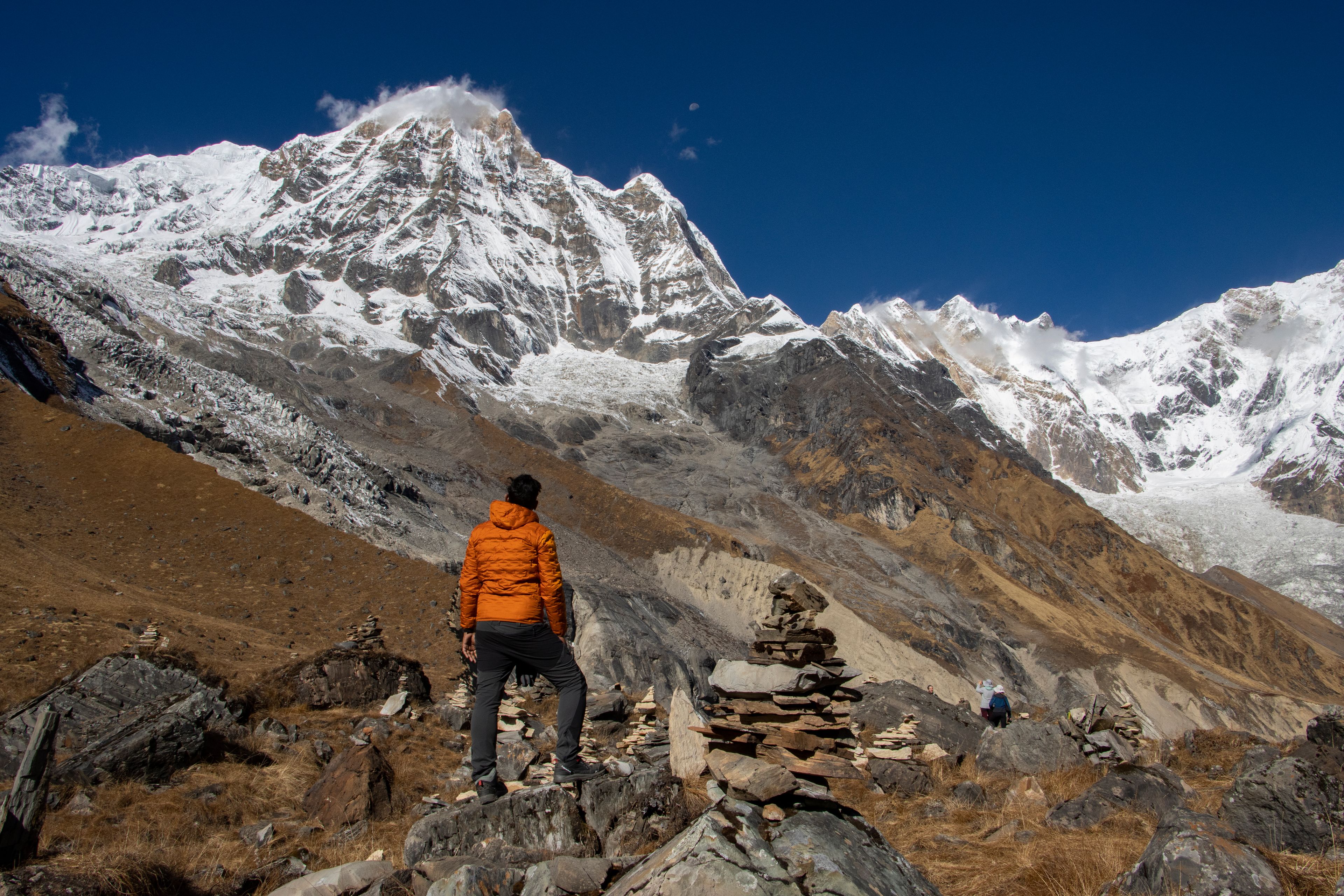
Nepal Trek Budget Calculator (2026/27 Prices)
Work out what a Nepal trek actually costs per person — permits, teahouses, flights, guide and porter — using prices verified in November 2026.
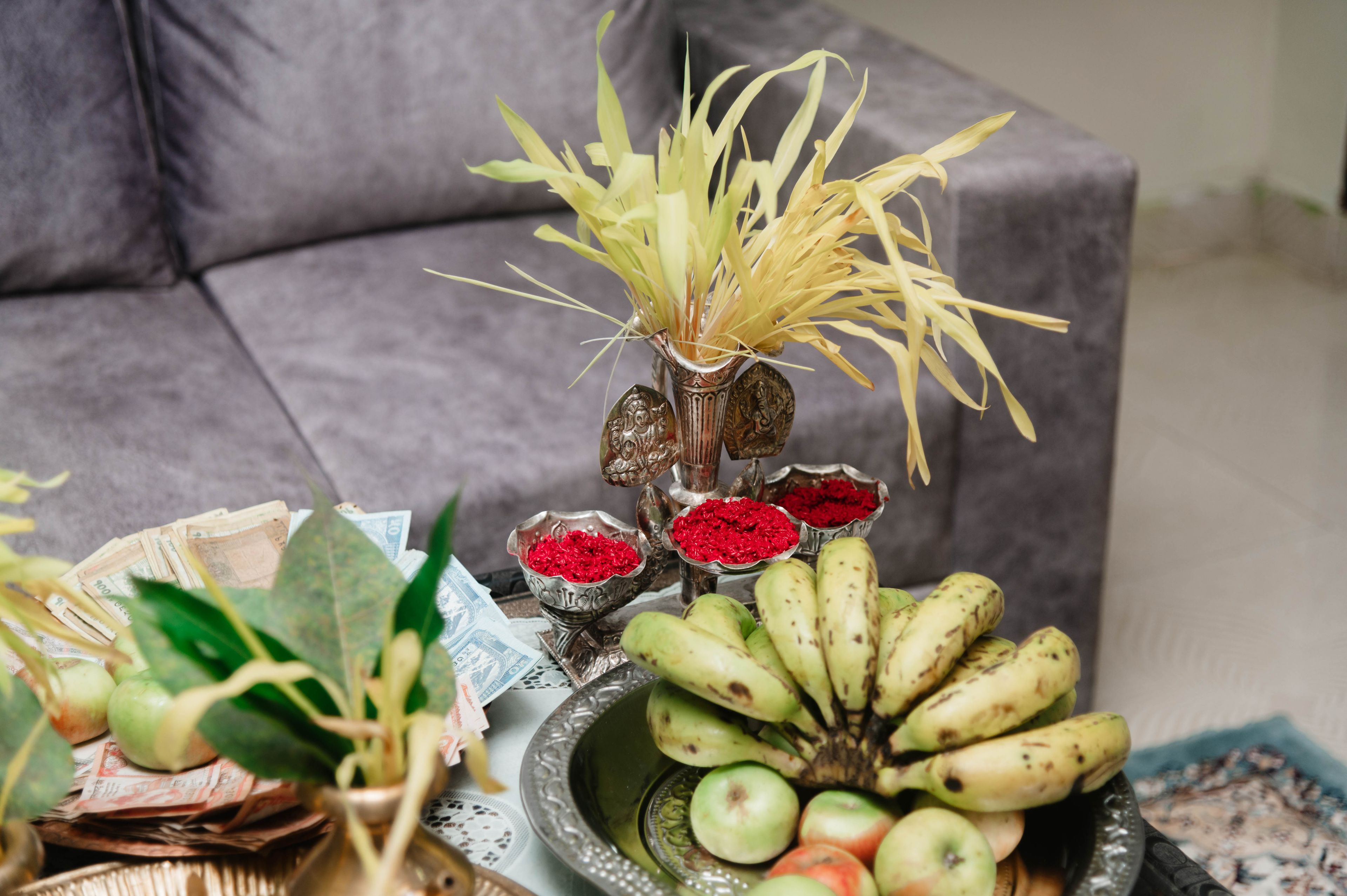
Dashain Explained: Nepal's 15-Day Festival
What Dashain is, which days matter, what closes across Nepal, and how the festival affects travel, transport and trekking logistics in October.
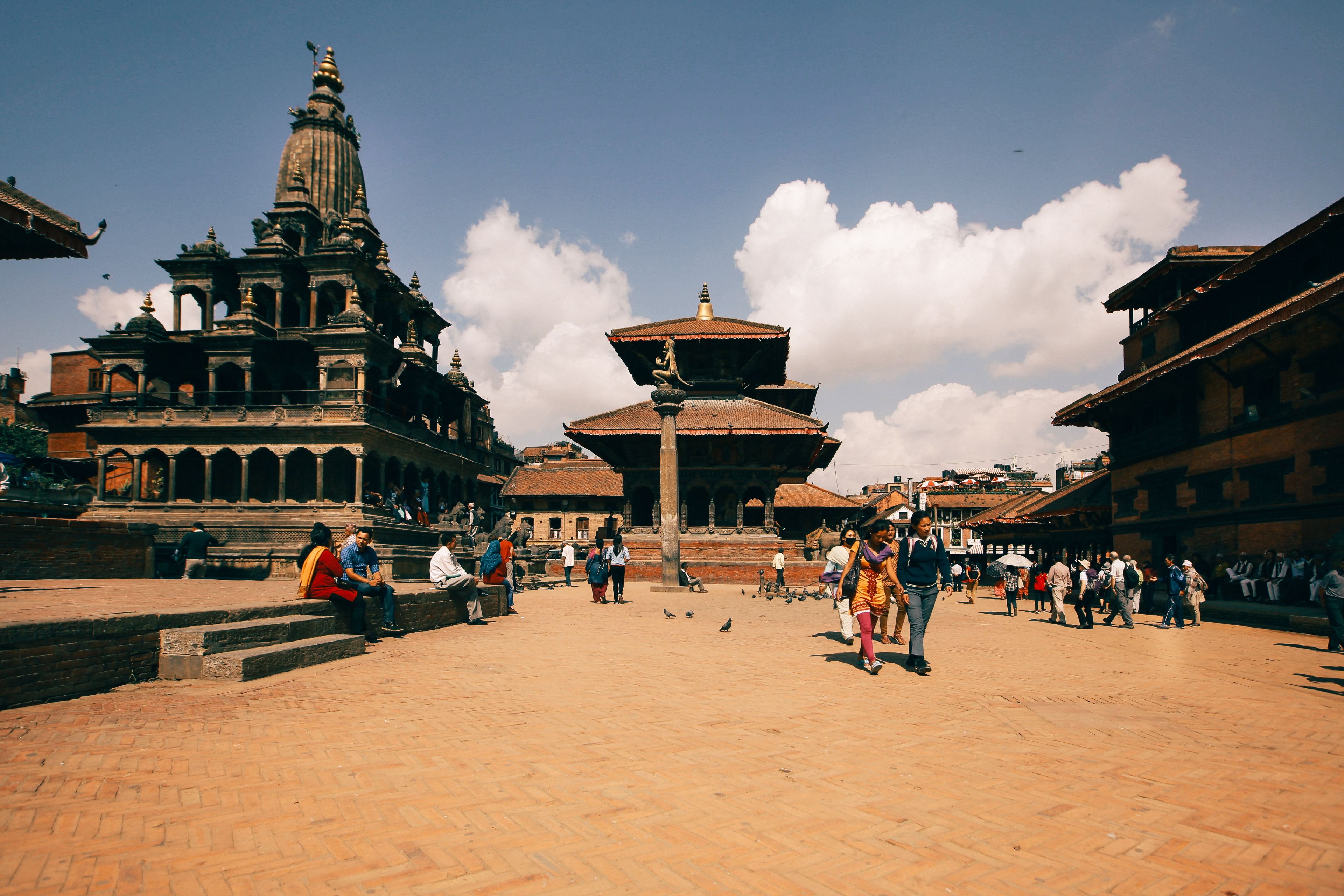
Kathmandu Durbar Square: What to See and Skip
A walking route through Kathmandu Durbar Square with the entry fee, the buildings worth your time after the 2015 earthquake, and when to arrive.
Nepal Tourist Visa on Arrival: Costs and Process
What a Nepal tourist visa costs in 2026, how the arrival kiosks work at Kathmandu airport, who is not eligible, and how to extend without a fine.